


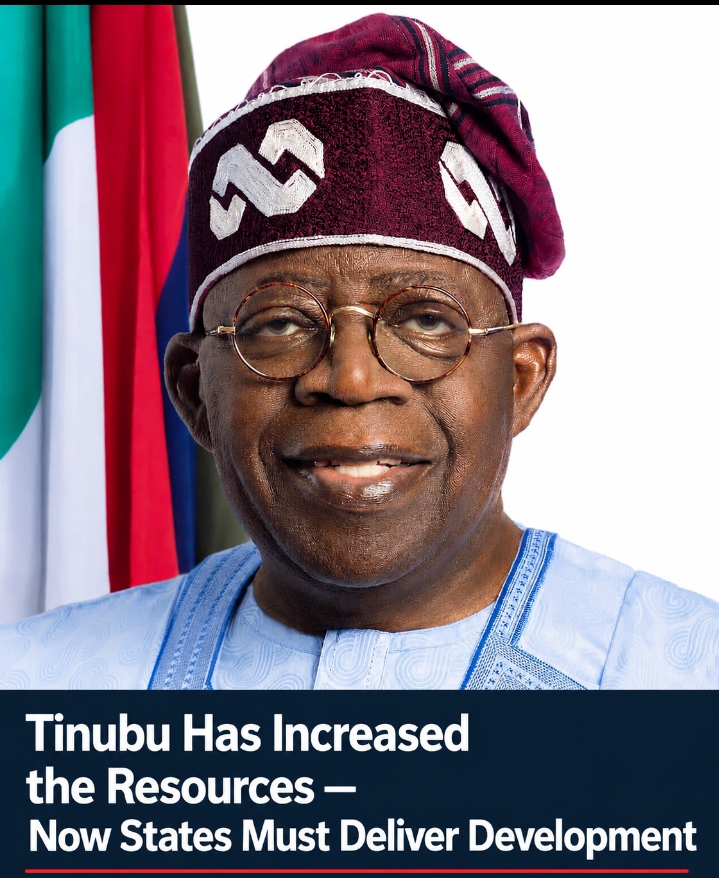
Since President Bola Ahmed Tinubu assumed office in May 2023 and removed the longstanding fuel subsidy regime, Nigerians have experienced significant economic pressures, including rising living costs and reduced purchasing power.
However, beyond the immediate hardship caused by the reforms, there is a need for a balanced assessment of their broader impact, particularly on the finances of state and local governments.
The fuel subsidy regime had for years been criticised as financially unsustainable and vulnerable to abuse. During the 2023 presidential campaign, leading political candidates acknowledged that the subsidy system could no longer be sustained indefinitely. The Tinubu administration subsequently took the politically difficult decision to remove it.
While the policy triggered widespread economic pain, one major consequence has been a substantial increase in revenue available to the three tiers of government through the Federation Account Allocation Committee (FAAC).
State and local governments now receive significantly larger monthly allocations than they did before the subsidy removal. The increase has created greater fiscal space for sub-national governments to pay salaries, invest in infrastructure and provide essential services.
This development, however, raises a fundamental question: if states and local governments now have access to more resources, why do many communities continue to struggle with poor roads, inadequate healthcare, limited access to clean water, unemployment and other basic challenges?
The answer cannot rest entirely with the Federal Government.
Many services that directly affect citizens at the grassroots level fall substantially within the responsibilities of state and local governments. Community roads, primary healthcare, markets, sanitation, local infrastructure and several aspects of education and rural development require effective action from sub-national authorities.
Before the current administration, several states faced serious financial constraints, including difficulties paying workers’ salaries and funding basic government operations. Some accumulated salary arrears, while development projects were delayed or abandoned because of inadequate revenue.
With increased allocations, governors and local government chairmen now have a greater opportunity to address some of these challenges.
The responsibility, therefore, is not simply to receive increased allocations but to demonstrate how those resources are being converted into tangible improvements in the lives of citizens.
Governments at the state and local levels should provide greater transparency about their revenues and expenditures. Citizens have a right to know how public funds are being spent and what measurable benefits are being delivered to their communities.
This does not absolve the Federal Government of responsibility. Nigerians should continue to hold President Tinubu’s administration accountable for the economic consequences of its policies and demand that the promised benefits of the reforms eventually translate into improved living standards.
But accountability must exist at every level of government.
Rather than directing every development complaint towards Abuja, citizens should also scrutinise their governors and local government leadership. Where additional resources are available, communities should reasonably expect better roads, functional healthcare centres, improved schools, job-creation initiatives, clean water and other visible development projects.
President Tinubu’s fiscal reforms have altered the revenue landscape for Nigeria’s sub-national governments. The critical question now is whether those increased resources will be managed responsibly and converted into sustainable development.
For ordinary Nigerians, the expectation is straightforward: more revenue should produce more development.
The success of the reforms should ultimately not be measured only by government revenue figures or monthly allocations, but by whether families and communities begin to experience meaningful improvements in their daily lives.
The Federal Government may provide the resources, but governors and local government authorities must ensure that those resources reach the people through responsible leadership, accountability and visible development.