


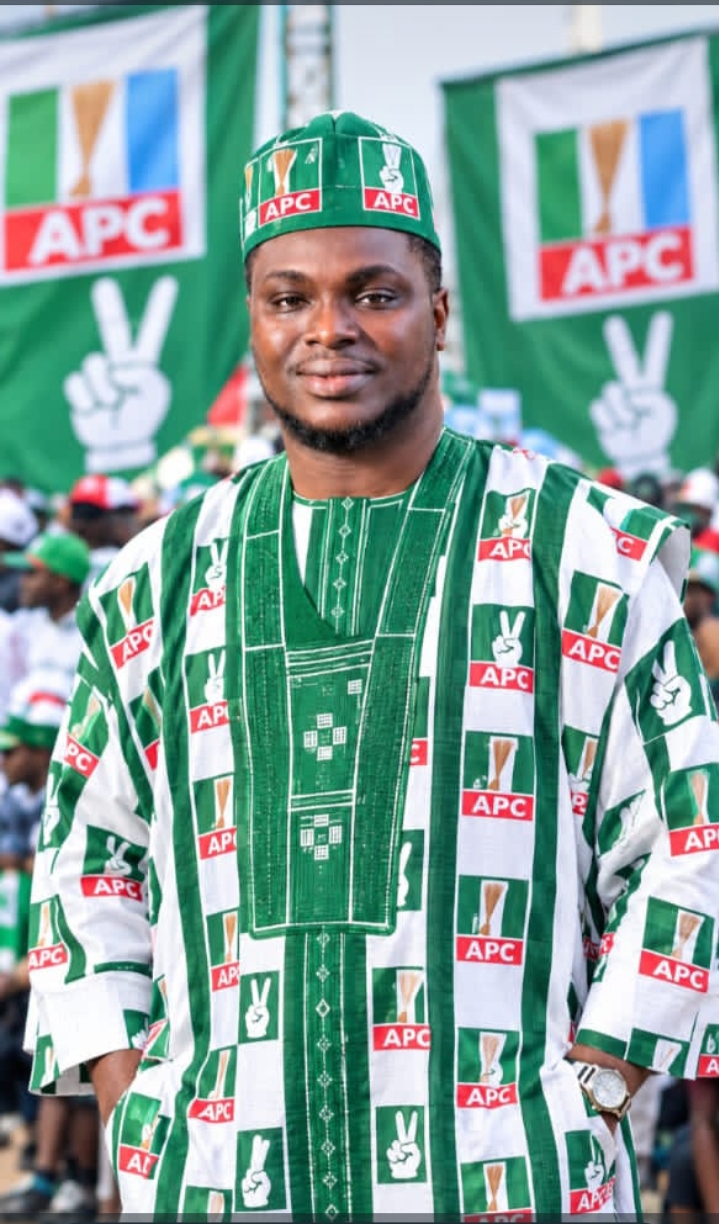
By Chief Lucky Blessing Odiakachukwu Abuah
Senior Special Assistant to the Governor of Delta State on Youth Mobilisation
As Nigeria prepares for the 2027 general elections, it is important for young people to understand the concept of Five-Over-Five and the five elective positions that shape leadership and governance at the federal and state levels.
As a member of the All Progressives Congress (APC), I believe political participation should go beyond party affiliation. It should involve understanding the responsibilities of elected officials, examining their records and recognising how decisions made at different levels of government affect our communities and our future.
The Five-Over-Five concept represents support for candidates across five elective positions: the President, Governor, Senator, Member of the House of Representatives and Member of the State House of Assembly.
1. President: Bola Ahmed Tinubu
The President is responsible for leading the federal government, implementing national policies, directing the country’s foreign relations and working with other arms of government on matters affecting the nation.
Decisions on the economy, national security, education, infrastructure and employment can significantly influence the opportunities available to young Nigerians.
As young people, we must understand the President’s responsibilities and examine the administration’s policies, achievements and commitments to determine how they align with our aspirations for Nigeria.
2. Governor of Delta State: Sheriff Oborevwori
The Governor leads the state government and is responsible for implementing state policies, preparing the state budget, overseeing ministries and agencies, and promoting development across Delta State.
Through initiatives in infrastructure, healthcare, education and youth development, the state government can create opportunities that improve the lives of residents.
For young people in Delta State, understanding the Governor’s development agenda and examining its implementation are important parts of participating meaningfully in the democratic process.
3. Senator Representing Delta North: Dr Ifeanyi Okowa
The Senate is an essential part of Nigeria’s National Assembly. Senators participate in making federal laws, considering the national budget, scrutinising government activities and representing the interests of their senatorial districts.
For Delta North, effective representation involves bringing the concerns of communities to the national level and contributing to discussions on legislation, federal projects and policies affecting the people.
Understanding the Senate’s role helps young people appreciate why legislative representation matters to the development of their communities.
4. Member Representing Aniocha/Oshimili Federal Constituency: Rt. Hon. Ndudi Elumelu
The House of Representatives participates in federal lawmaking, budget consideration and oversight of government institutions. Members also represent the interests of their federal constituencies.
For residents of Aniocha North, Aniocha South, Oshimili North and Oshimili South, federal representation provides an avenue for communicating local needs and concerns to the National Assembly.
Young people should understand the responsibilities of their representatives and the importance of legislation, constituency engagement and accountability in public service.
5. Member Representing Oshimili North State Constituency: Hon. Innocent Esewezie
The Delta State House of Assembly is responsible for making laws on matters within the state’s legislative authority, considering state budgets and exercising oversight over the state government.
A member representing Oshimili North is expected to contribute to legislation and represent the interests of constituents at the state level.
Issues such as education, healthcare, community development, youth opportunities and local infrastructure are important to the constituency’s development and deserve attention in public discussions.
Why Understanding Five-Over-Five Matters
The five positions have different responsibilities, but decisions made by their occupants can affect different aspects of our daily lives.
The President operates at the federal executive level. The Governor leads the state executive. Senators and members of the House of Representatives participate in federal legislation, while members of the State House of Assembly make laws within the state’s constitutional responsibilities.
Understanding these distinctions helps young people make sense of governance, political representation and accountability.
As the 2027 elections approach, I encourage young people to participate in civic discussions, understand the responsibilities of each office, examine candidates’ records and proposals, and make informed decisions at the ballot box.
Our future depends not only on who occupies public office but also on how effectively public institutions serve the people.
An informed youth population is an important part of a functioning democracy.