
Home Blog Page 10

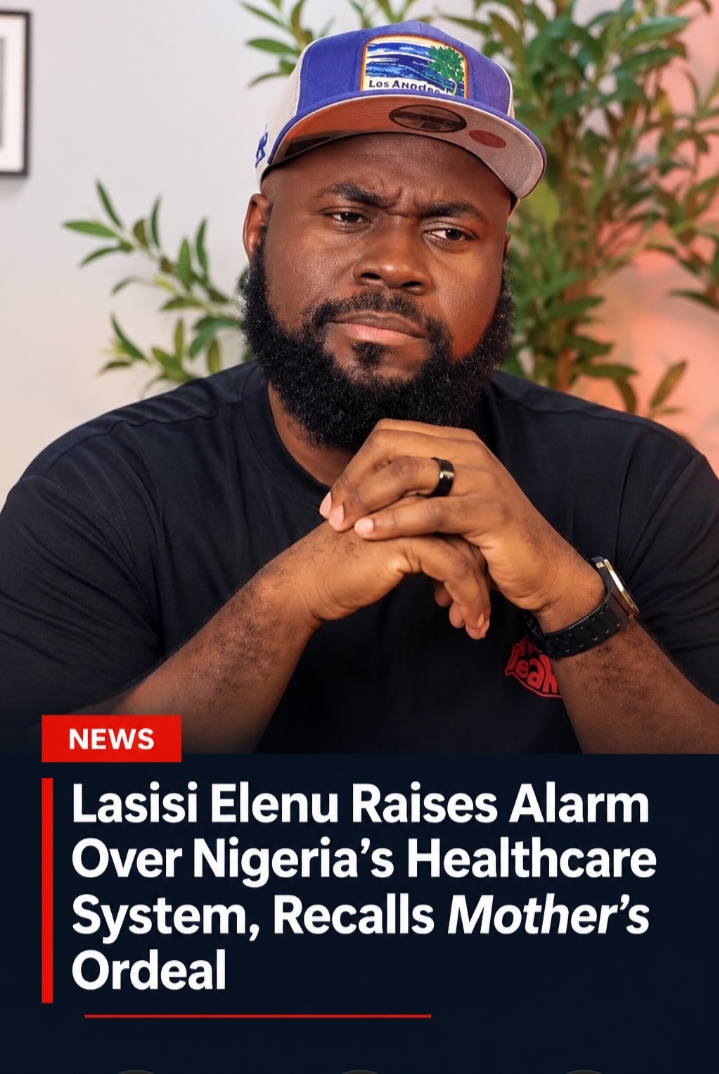
Lasisi Elenu Raises Alarm Over Nigeria’s Healthcare System, Recalls Mother’s Ordeal

0

Popular Nigerian comedian and content creator, Nosa Afolabi, better known as Lasisi Elenu, has raised concerns over the state of Nigeria’s healthcare system, calling for urgent action to improve access to quality medical care.

Elenu made his concerns known in a video shared on social media, where he appealed to President Bola Ahmed Tinubu, Lagos State Governor Babajide Sanwo-Olu and other state governors to pay greater attention to the challenges confronting the country’s health sector.

Speaking emotionally about his experiences, the comedian questioned why patients in need of urgent medical attention could be turned away from hospitals because of a lack of available bed space.

He said the situation was particularly disturbing in Lagos, which he described as a major metropolitan city, arguing that Nigerians should not have to move from one hospital to another in search of basic medical attention.

Elenu also recalled the death of his mother in 2022, saying his family experienced difficulties securing admission for her as they moved between federal hospitals and were repeatedly confronted with the issue of unavailable bed spaces.

According to him, the experience left a lasting emotional impact on him and his family.

He further expressed concern over what he described as shortages of doctors, nurses, beds, oxygen, blood and medicines, arguing that some Nigerians may be losing their lives because of inadequate access to essential medical resources.

“The Nigerian hospitals have failed too many people. They have failed too many people. They have failed me. They have failed my family,” he said.

Elenu also questioned the continued migration of medical professionals from Nigeria and urged government authorities to focus on improving the capacity and functionality of healthcare facilities rather than concentrating mainly on cosmetic renovations.

His comments come amid broader concerns about Nigeria’s healthcare system, including health-worker shortages, inadequate financing and access to quality medical services.

The Federal Government, however, has said it is implementing reforms aimed at strengthening the health sector, including recruitment and training of health workers and measures to address workforce migration.

Elenu’s intervention has added his voice to growing public calls for improved healthcare delivery and better access to emergency medical services across the country.

CIDO Asthma Foundation: How Free Healthcare Is Giving Asthma Patients in Igbuzo a New Lease on Life

For many families living with asthma, the cost of consultations, medications and regular medical care can make managing the condition a constant struggle. In Igbuzo, Oshimili North Local Government Area of Delta State, the CIDO Asthma Foundation is seeking to ease that burden by providing free healthcare and asthma-management support to patients.

Established under the Obi Nwaokocha Okeze Foundation, the CIDO Asthma Foundation focuses on improving the quality of life of people living with asthma through medical care, health education, advocacy and access to essential medications.

Since its establishment, the foundation has provided patients with free consultations, treatment, inhalers, asthma-management kits and follow-up support, with its services available to people irrespective of their social or economic background.

Located in Igbuzo, the facility has developed a reputation for providing specialised asthma care on a not-for-profit basis. Patients are not required to pay for registration, consultation or medication, a model that has offered relief to individuals and families who may otherwise find it difficult to afford consistent asthma treatment.

Reaching Patients in Need

The foundation’s intervention has reportedly benefited more than 2,000 patients, while many others continue to receive medical attention and follow-up care.

Its services have been particularly valuable to children and adults who depend on inhalers and other medications to control their symptoms and reduce the risk of severe asthma attacks.

Beyond treatment, the CIDO Asthma Foundation has also placed emphasis on public awareness and health education. Through lectures, seminars, community outreach programmes and activities marking World Asthma Day, the organisation has continued to educate residents about asthma, including the importance of early diagnosis, proper management and timely medical attention.

The awareness efforts have also sought to challenge misconceptions about asthma and encourage patients and their families to better understand the condition.

Supporting Asthma Awareness

The foundation’s work was further highlighted during the Run4Breath Asthma Awareness Campaign, a nationwide advocacy initiative that reached Delta State.

The campaign passed through Asaba and Igbuzo, where the CIDO Asthma Foundation supported efforts to raise awareness about asthma and provide inhalers and asthma-management kits to vulnerable patients.

The initiative also drew attention to the challenges faced by people living with asthma and the need for accessible and affordable healthcare for those managing chronic respiratory conditions.

Officials of the foundation have consistently stressed the importance of ensuring that people living with asthma can access the care they need without financial barriers.

The foundation’s stated approach is to make treatment available to anyone who can reach the facility, regardless of tribe, religion or location.

Impact Beyond Igbuzo

Although based in Igbuzo, the foundation’s beneficiaries reportedly come from several communities across Delta State, including Asaba, Okpanam, Ogwashi-Uku, Illah, Issele-Uku and Ubulu-Uku, among others.

For some beneficiaries, access to free treatment and regular medical support has helped reduce the anxiety associated with recurring asthma attacks and the financial pressure of maintaining treatment.

Residents have also commended the foundation’s founder, Pastor Idowu Okeze, and the medical team for their commitment to providing care to people living with asthma.

The initiative demonstrates how private and community-based interventions can complement existing healthcare services, particularly in areas where the cost of managing chronic conditions remains a major challenge for families.

A Continuing Commitment

The CIDO Asthma Foundation has grown beyond being a healthcare facility to become an avenue for medical support, asthma awareness and community service in Igbuzo and surrounding areas.

Through free treatment, health education and advocacy, the foundation continues to contribute to efforts aimed at helping asthma patients live healthier and more productive lives.

For the patients and families who have benefited from its intervention, access to reliable asthma care can mean more than medical treatment—it can mean greater confidence, fewer disruptions to daily life and renewed hope.

As the foundation continues its work, its story serves as a reminder of the impact that sustained community-focused healthcare initiatives can have on people living with chronic conditions.

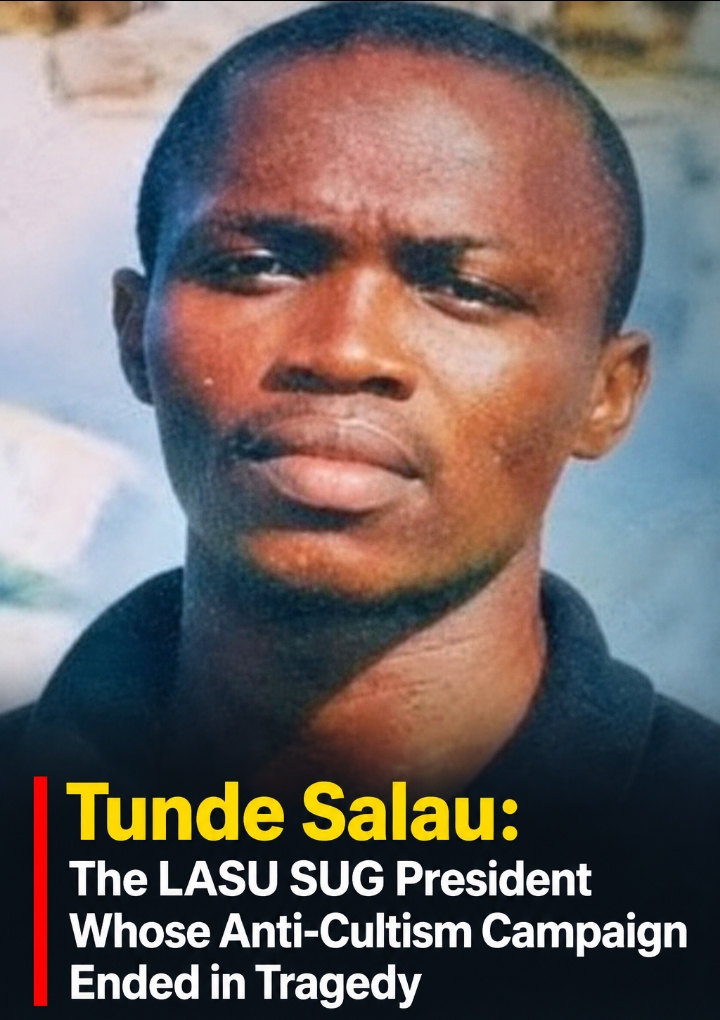
Tunde Salau: The LASU SUG President Whose Anti-Cultism Campaign Ended in Tragedy

0

More than two decades after the death of Lagos State University Students’ Union President, Comrade Tunde Salau, conflicting recollections about his leadership, his campaign against cultism and the circumstances surrounding his death continue to generate debate.

What is firmly established is that Salau was the president of the Lagos State University student’s Union and was killed on February 13 2002, after leaving an examination at the university.

A contemporary report published by SAPA/AFP the following day said the student leader was attacked with machetes by unknown assailants shortly after appearing for an examination. He sustained severe injuries and died. The report said the motive for the killing was not immediately known.

Years later, accounts from former LASU students and student activists continued to describe Salau’s tenure as one marked by a determined campaign against cultism on campus.

A 2012 account on the history of LASU’s Students’ Union described the Salau administration’s fight against cultism as one of the union’s most notable anti-cultism campaigns and recorded his death on February 13, 2002.

However, the historical record becomes considerably more disputed when it comes to the events that allegedly preceded his death.

Some former students who have spoken about the period maintain that Salau was a courageous, intelligent and popular student leader who confronted the cult menace because of the danger it posed to students and the university community.

Others have alleged that the anti-cultism campaign was selective and that particular confraternities were disproportionately targeted. Some commentators have further alleged that Salau himself had links to a confraternity.

These claims remain disputed and could not be independently established from the reliable historical sources reviewed for this report. They should therefore not be treated as established facts.

There are also competing recollections about the deaths of students identified in later accounts as Ralph and Gatsby and the extent to which those incidents were connected to Salau’s administration. While some former students have described the incidents as part of the violent cult clashes that characterised the period, available contemporary reporting does not provide sufficient evidence to conclusively establish all the details now circulating online.

What is not in dispute is that LASU was experiencing serious problems involving cult-related violence during the period.

One historical account on violence in Nigerian schools records the murder of the LASU Students’ Union President on February 13 and describes him as having been publicly attacked and fatally wounded after emerging from an examination.

The tragedy therefore remains part of the painful history of campus violence and cultism in Nigeria.

For many former LASU students, Tunde Salau remains a symbol of student activism and courage. For others, his story is a cautionary tale about the dangers of confronting violent organisations outside the protection of established security and judicial institutions.

Perhaps the most important lesson from his story is that cultism cannot be defeated by replacing one form of violence with another.

The responsibility for combating cultism belongs to university authorities, law-enforcement agencies, government and the wider society. Students can provide information and advocate for safer campuses, but violence, jungle justice and extrajudicial punishment cannot provide a lasting solution.

More than 20 years after Salau’s death, the circumstances surrounding his leadership and killing continue to attract debate among former LASU students.

But one fact remains clear: a young student leader lost his life in the midst of a violent period in the history of the university.

His story should therefore be remembered not to glorify violence or any cult organisation, but to remind present and future generations of the devastating consequences of cultism, reprisal attacks and unchecked violence on Nigerian campuses.

This report does not establish allegations of cult membership or involvement in unlawful killings against any individual without independently verifiable evidence. Accounts attributed to former students are presented as recollections and allegations, not established facts.

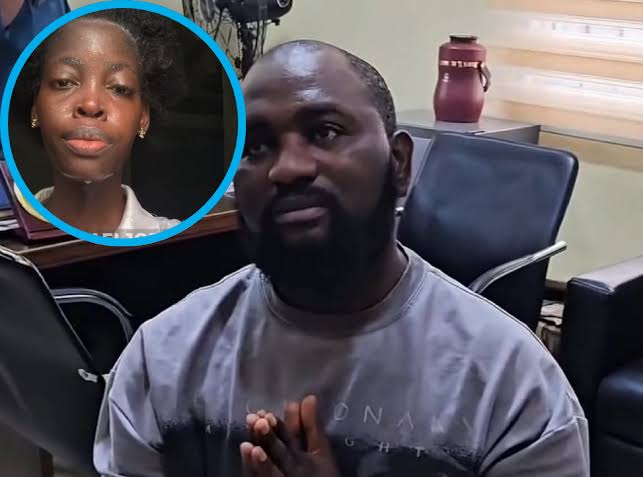
Court Remands ‘Odogwu Asaba’ Over Alleged Rape, Death of 20-Year-Old Woman

A Delta State High Court has ordered the remand of popular content creator Ifeanyi Ogbonna, popularly known as “Odogwu Asaba,” at the Ogwashi-Uku Maximum Correctional Centre over allegations relating to the rape of 20-year-old Favour Agbro, who later died.

The remand order was granted on Friday, September 4, 2026, following an application heard by the court after investigations into the case were concluded.

Counsel to the deceased’s family, Awele Ideal, confirmed the development in a statement, saying that the autopsy and toxicology reports had been made available to the police investigation team.

According to the lawyer, the forensic findings, alongside other evidence gathered during the investigation, had been incorporated into the report prepared for prosecution.

Ogbonna is expected to remain in custody and be brought before the court as proceedings continue. The matter is now expected to proceed to the prosecution stage under the Delta State Ministry of Justice, through the Attorney-General and Director of Public Prosecutions.

The case attracted public attention after Agbro reportedly accused Ogbonna of rape in a video recorded before her death.

Reports indicate that the deceased had travelled to Asaba after allegedly responding to an invitation from Ogbonna for a content-creation training programme advertised on social media. She was subsequently alleged to have been taken to a hotel, where she accused the content creator of sexually assaulting her.

After returning home, Agbro reportedly informed her parents about the alleged incident and later recorded a video recounting her experience.

She subsequently ingested a toxic substance and died.

Following a petition from the deceased’s family, the Delta State Police Command commenced an investigation, leading to Ogbonna’s arrest. Autopsy and toxicology examinations were subsequently conducted as part of efforts to establish the circumstances surrounding Agbro’s death.

With the latest court order, the case has moved from the investigation stage towards prosecution.

Ogbonna remains presumed innocent of the allegations until proven guilty by a court of competent jurisdiction.

Suspected Bandits Demand ₦40m Levy From Sokoto Community, Threaten Fresh Attack

Residents of Kebbe town in Kebbe Local Government Area of Sokoto State are reportedly living in fear after suspected bandits demanded a ₦40 million levy from the community and threatened to attack if the money was not paid.

The development was reported on September 3, 2026, amid heightened security concerns in the area.

According to reports, the suspected bandits initially gave residents a five-day ultimatum to raise the money but later extended the deadline to seven days following appeals from community members.

The Sokoto State Police Command confirmed that it was aware of the reported threat.

The command’s spokesperson, DSP Ahmed Rufai, said the Anti-Kidnapping Unit was already working on the information and that security agencies were taking steps to address the situation.

The reported demand has heightened anxiety among residents, with fears of possible attacks should the community fail to meet the ultimatum.

The situation has also reportedly triggered the movement of some residents from Kebbe and surrounding communities to safer locations.

The development underscores the continuing security challenges confronting parts of Sokoto State, where rural communities have faced attacks, abductions, livestock rustling and other forms of criminal activity.

Security authorities are expected to intensify efforts to protect residents and prevent further attacks in the affected communities.

Pastor Idowu Okeze: How ‘Ukpe Igbuzo’ Is Driving Community Development and Empowering Lives

The people of Igbuzo have continued to celebrate one of their prominent sons, Pastor Idowu Okeze, popularly known as Ukpe Igbuzo, for his reported contributions to community development, humanitarian initiatives and grassroots empowerment.

For many residents, Pastor Okeze is regarded not only as a philanthropist but also as a community-focused individual whose activities are aimed at improving the welfare and economic wellbeing of people in Igbuzo.

Over the years, he has been involved in various initiatives and engagements focused on attracting development opportunities and government interventions to the community.

According to accounts from community members, some of the interventions linked to his efforts have covered areas such as road infrastructure, water supply, skills acquisition, cooperative development, youth empowerment and economic support programmes.

A significant aspect of his community engagement has been the empowerment of residents, particularly youths, women, artisans, traders, farmers and other vulnerable groups.

Through various programmes, beneficiaries have received financial, material and capacity-building support intended to strengthen their businesses, acquire new skills and improve their livelihoods.

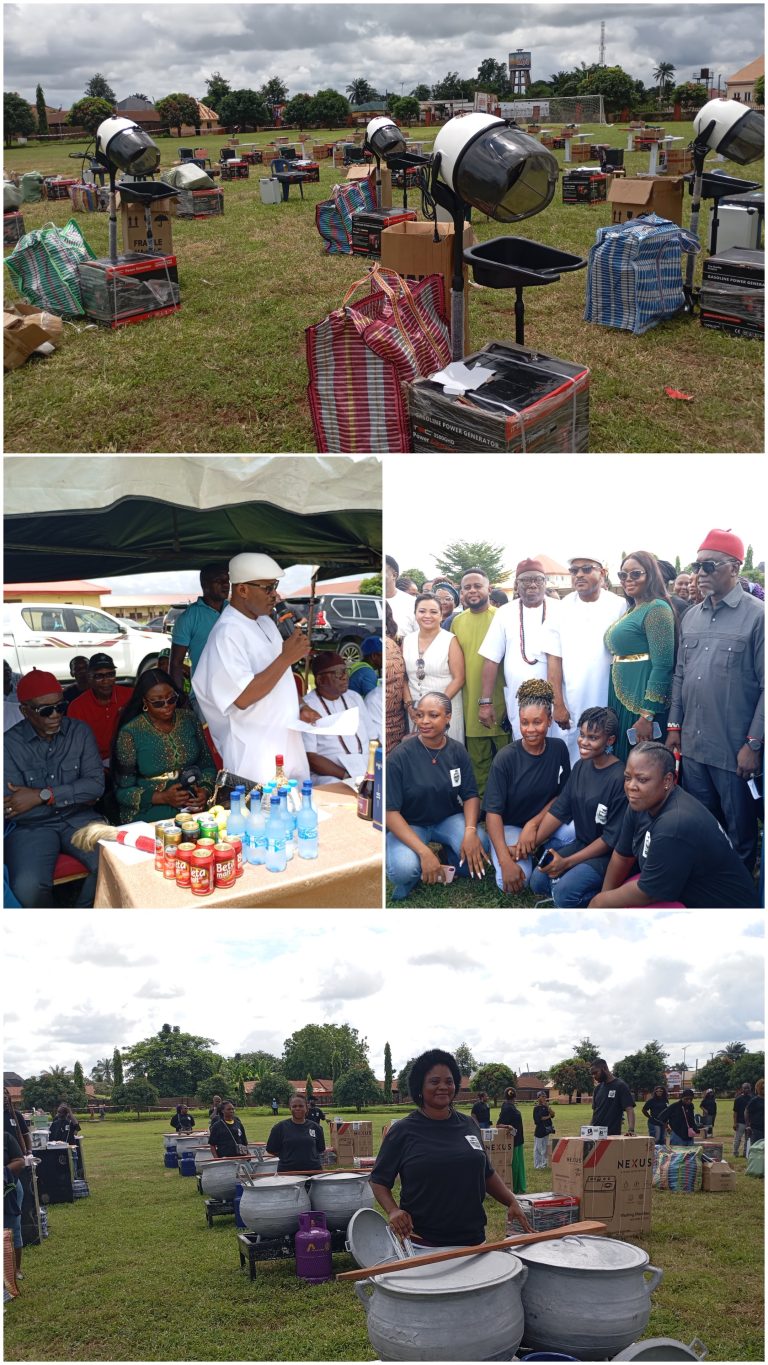
The latest intervention was held on Monday, August 31, 2026, through an initiative facilitated by the Federal Cooperative College, Oji River, where 100 skilled individuals received financial and material support to strengthen their businesses and livelihoods.

The programme attracted commendation from community leaders, youth representatives, women groups and beneficiaries, who described the intervention as timely and beneficial.

Some beneficiaries expressed appreciation to Pastor Okeze for his continued involvement in initiatives aimed at improving the economic circumstances of people in the community.

Community stakeholders also commended his efforts, saying his engagements have contributed to connecting Igbuzo with development and empowerment opportunities.

For many residents, what distinguishes Pastor Okeze’s community activities is the emphasis on practical support and empowerment, particularly initiatives designed to enable beneficiaries to become more economically self-reliant.

His supporters believe that sustained investments in human capital, grassroots empowerment and community development can contribute significantly to the growth and prosperity of Igbuzo.

As the community continues to reflect on the latest empowerment programme, Pastor Idowu Okeze’s name remains associated by his supporters with philanthropy, grassroots development and service to the people.

For many in Igbuzo, his continued involvement in community initiatives represents an example of how individuals can use their resources, influence and connections to support development at the grassroots.

Ajudua Brothers Make History as Two Sons of Obi Ajudua Inducted into NCCU Athletics Hall of Fame

0

The family of Obi (Dr.) Henry Chukwuma Ajudua has celebrated another remarkable milestone following the induction of his two sons, Dr. Freddie Chukwuyem Henry-Ajudua and Dr. Emmanuel Ogomegbunem Henry-Ajudua, into the North Carolina Central University (NCCU) Athletics Hall of Fame in the United States.

The brothers were honoured for their contributions to the university’s historic football programme during their collegiate careers with the NCCU Eagles.

Freddie Henry-Ajudua distinguished himself as a defensive lineman, earning All-MEAC First Team honours and recognition as a Black College All-American during his time at NCCU.

Following his collegiate football career, Freddie was invited to participate in the Jacksonville Jaguars rookie minicamp, before later making a transition from American football to rugby.

His rugby career saw him become a national champion in the United States, after which he went on to represent Nigeria internationally as a member of the Black Stallions, the country’s national rugby team.

Beyond his achievements on the field, Freddie has also been involved in advocacy for improved sports administration, infrastructure and grassroots sports development in Nigeria.

His brother, Dr. Emmanuel Ogomegbunem Henry-Ajudua, took a different professional path, building a career in medicine as a Foot and Ankle Surgeon.

The Hall of Fame induction therefore brings together the achievements of two brothers who were part of the NCCU Eagles football programme before pursuing distinguished careers in different fields.

For their parents, Obi (Dr.) Henry Chukwuma Ajudua and Obi Okpoho (Dr.) Vivian Onyebuchi Henry-Ajudua, the honour represents a significant family milestone and a recognition of their sons’ accomplishments.

The achievement has also attracted congratulatory messages from family members, friends, former teammates and associates in Nigeria and the United States.

For Freddie, the induction adds another significant chapter to a sporting journey that has taken him from collegiate American football in North Carolina to international rugby with Nigeria.

For Emmanuel Ogomegbunem, the recognition celebrates his contribution to NCCU athletics before he went on to establish himself in the medical profession.

The induction has consequently added the names of the Ajudua brothers to the distinguished list of individuals recognised for their contributions to the history and legacy of North Carolina Central University athletics.

FG Shuts First Niger Bridge for Two Weeks Over Emergency Repairs, Directs Motorists to Second Niger Bridge

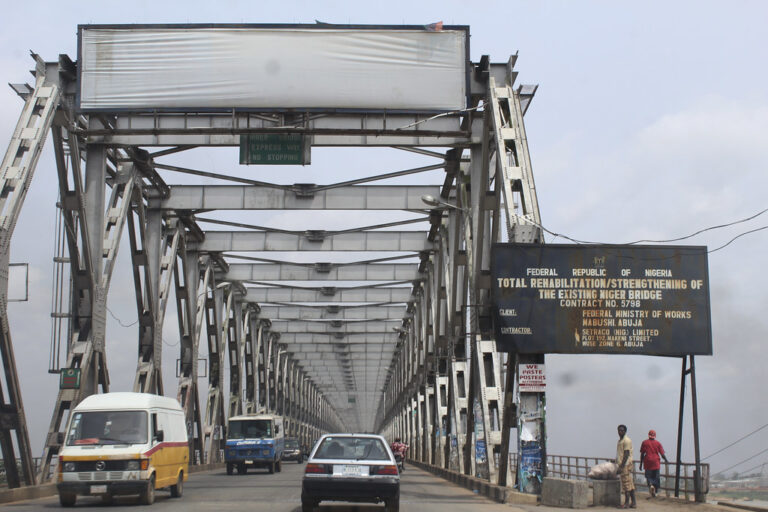
The Federal Government has announced the temporary closure of the First Niger Bridge in Onitsha, Anambra State, for two weeks to allow emergency maintenance and rehabilitation works on the critical transport corridor.

The Federal Ministry of Works said the bridge will be fully closed to traffic from Monday, September 7, to Monday, September 21, 2026.

The announcement was contained in a statement issued by the Federal Ministry of Works, Anambra State Field Headquarters, following an inspection of the First and Second Niger Bridges by the Minister of Works, David Umahi.

According to the ministry, the emergency intervention became necessary due to the deteriorated condition of the bridge’s carriageway and damage to some of its structural components.

Some of the affected components include portions of the expansion-joint steelwork as well as nuts and bolts on the bridge’s stanchion and steel-truss structures, with some damage attributed to vandalism.

The ministry has directed SKECC, the contractor handling the 0+000–20+000 kilometre section of the Onitsha-Enugu Dual Carriageway, to immediately commence the rehabilitation works.

Repairs to Include Resurfacing, Streetlights and CCTV

The intervention is expected to include the removal of deteriorated asphalt and the laying of a new asphalt wearing course to improve the riding surface and motorability of the bridge.

The rehabilitation will also include the installation of solar-powered streetlights and CCTV cameras to improve visibility, enhance surveillance and help deter further vandalism.

The ministry said construction activities will be carried out during both the day and night because of the urgency of the intervention and the need to complete the work within the scheduled period.

Motorists Advised to Use Second Niger Bridge

During the closure, motorists travelling from Onitsha towards Delta State and other destinations have been advised to use the Second Niger Bridge through Obosi and Asaba.

Traffic-control measures, including appropriate signs, barriers and personnel, are expected to be deployed to guide motorists and reduce congestion around the affected corridor.

Road users have been advised to plan their journeys ahead, allow additional travel time and obey traffic and diversion instructions throughout the repair period.

The First Niger Bridge is an important transportation link connecting Anambra and Delta states and serves as a major corridor between the South-East and other parts of Nigeria.

The Federal Government said the emergency works are aimed at restoring the bridge to a safer and properly motorable condition while reducing the duration of disruption to road users.

The bridge is expected to reopen to traffic on Monday, September 21, 2026, subject to completion of the scheduled intervention.

The First Niger Bridge in Onitsha, Anambra State, which will be temporarily closed for emergency maintenance from September 7 to 21, 2026.

Editor’s Note

The First Niger Bridge closure is expected to affect motorists travelling between Anambra and Delta states. Road users are advised to plan their journeys ahead and follow official traffic diversion signs and instructions during the repair period.

DESOPADEC Opens 2026 Bursary Portal, Calls on Eligible Delta Students to Apply

0

The Delta State Oil Producing Areas Development Commission (DESOPADEC) has officially opened its 2026 bursary application portal, urging eligible students from its mandate areas to take advantage of the opportunity and apply.

The online portal was formally unveiled on Tuesday, September 1, 2026, at the Commission’s headquarters in Warri as part of its continued efforts to support education and human capital development across its mandate areas.

Speaking during the launch, the Executive Director of Social Services, DESOPADEC, Chief Favour Izuokumor, said the bursary scheme followed consultations between the Commission and representatives of students from oil-producing ethnic nationalities in Delta State.

He urged prospective applicants to carefully study the eligibility requirements and ensure that all required documents and information are accurately provided before submitting their applications.

According to the eligibility guidelines reported by the Commission, applicants must be Delta State indigenes, particularly from communities within DESOPADEC’s oil-producing mandate areas. They must also be undergraduates of recognised universities in Nigeria or abroad and be at least 200-level students. Other requirements include a valid student identity card, admission letter and recent passport photographs.

The Commission warned applicants against submitting multiple applications, stressing that students found to have applied more than once risk disqualification.

The 2026 bursary portal is expected to remain open for three weeks, after which applications will close. Eligible students are therefore advised to complete their applications early and avoid waiting until the deadline.

The initiative is part of DESOPADEC’s broader human capital development efforts aimed at reducing some of the financial challenges confronting students from its mandate areas.

Students can access the DESOPADEC 2026 Bursary Application Portal through the official application platform.

DESOPADEC Opens 2026 Bursary Portal, Calls on Eligible Delta Students to Apply

0

The Delta State Oil Producing Areas Development Commission (DESOPADEC) has officially opened its 2026 bursary application portal, urging eligible students from its mandate areas to take advantage of the opportunity and apply.

The online portal was formally unveiled on Tuesday, September 1, 2026, at the Commission’s headquarters in Warri as part of its continued efforts to support education and human capital development across its mandate areas.

Speaking during the launch, the Executive Director of Social Services, DESOPADEC, Chief Favour Izuokumor, said the bursary scheme followed consultations between the Commission and representatives of students from oil-producing ethnic nationalities in Delta State.

He urged prospective applicants to carefully study the eligibility requirements and ensure that all required documents and information are accurately provided before submitting their applications.

According to the eligibility guidelines reported by the Commission, applicants must be Delta State indigenes, particularly from communities within DESOPADEC’s oil-producing mandate areas. They must also be undergraduates of recognised universities in Nigeria or abroad and be at least 200-level students. Other requirements include a valid student identity card, admission letter and recent passport photographs.

The Commission warned applicants against submitting multiple applications, stressing that students found to have applied more than once risk disqualification.

The 2026 bursary portal is expected to remain open for three weeks, after which applications will close. Eligible students are therefore advised to complete their applications early and avoid waiting until the deadline.

The initiative is part of DESOPADEC’s broader human capital development efforts aimed at reducing some of the financial challenges confronting students from its mandate areas.

Students can access the DESOPADEC 2026 Bursary Application Portal through the official application platform.