



AKWUKWU-IGBO, Delta State
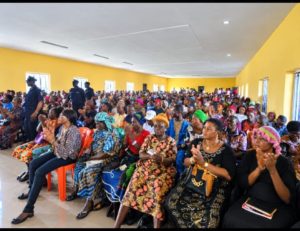
Councillors representing Akwukwu-Igbo and Atuma-Iga in Oshimili North Local Government Area of Delta State have empowered 400 residents with ₦50,000 each and distributed school materials to 400 pupils in a grassroots initiative aimed at supporting small businesses and promoting education.
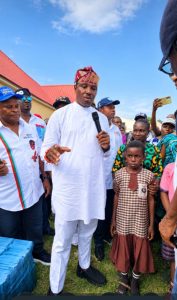
The programme, organised by the councillors representing the two communities, was held at the Akwukwu-Igbo Town Hall on Sunday, October 18, 2026. It attracted the Executive Chairman of Oshimili North Local Government Area, Olorogun Innocent Esewezie, political leaders, community members and other stakeholders.
Under the initiative, 400 beneficiaries received ₦50,000 each, amounting to a total of ₦20 million, to support their small businesses and help cushion the effects of prevailing economic challenges.
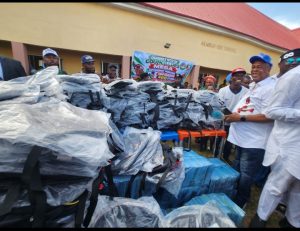
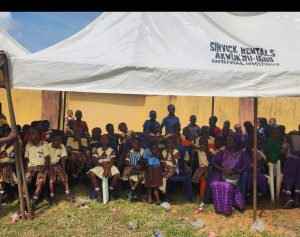
The programme also provided educational assistance to 400 pupils through the distribution of 400 school bags and 3,000 books to help them prepare for academic activities and improve access to essential learning materials.
The educational support reportedly covered six schools in Akwukwu-Igbo and Atuma-Iga: Obi Azuka Nursery and Primary School, Akwukwu-Igbo; Atuma-Iga Primary School; Olie Primary School I, Akwukwu-Igbo; Olie Primary School II, Akwukwu-Igbo; Government Day Care Centre/Basic Education Primary School, Akwukwu-Igbo; and Agbogidi Primary School, Akwukwu-Igbo.
Speaking at the event, Esewezie encouraged the financial beneficiaries to utilise the funds responsibly, strengthen their businesses and improve their household incomes. He also urged the pupils to take their education seriously and make good use of the learning materials provided.
The initiative was organised by the councillors representing Akwukwu-Igbo and Atuma-Iga, identified in information provided about the event as Hon. Chris C. Nwamgbor and Hon. Cyril Ufo Afagwu.
Political leaders, including the Oshimili North APC Local Government Chairman, Hon. Austin Nnabuife Ojogbue, and the Chairman of the APC Consultative Campaign Committee, Dr Austin Obidi, also addressed party members and stakeholders during the gathering.
Although the programme took place during a politically active period, Esewezie stated that its primary purpose was to support residents and encourage children’s education rather than serve as a campaign activity.
The intervention underscores the potential of community-level initiatives to provide financial assistance to small business owners while addressing some of the educational needs of pupils in local communities.
By combining direct financial support with the distribution of educational materials, the programme sought to reach both households and schoolchildren in Akwukwu-Igbo and Atuma-Iga.
The initiative adds to ongoing discussions about grassroots representation, economic empowerment and the role of elected local representatives in responding to the needs of their constituents.